 +86 13717134343


Precision farming pays when the equipment list is coherent — each device feeding data to the next. Here are the ten categories of precision agriculture equipment that consistently move yield and cost numbers.
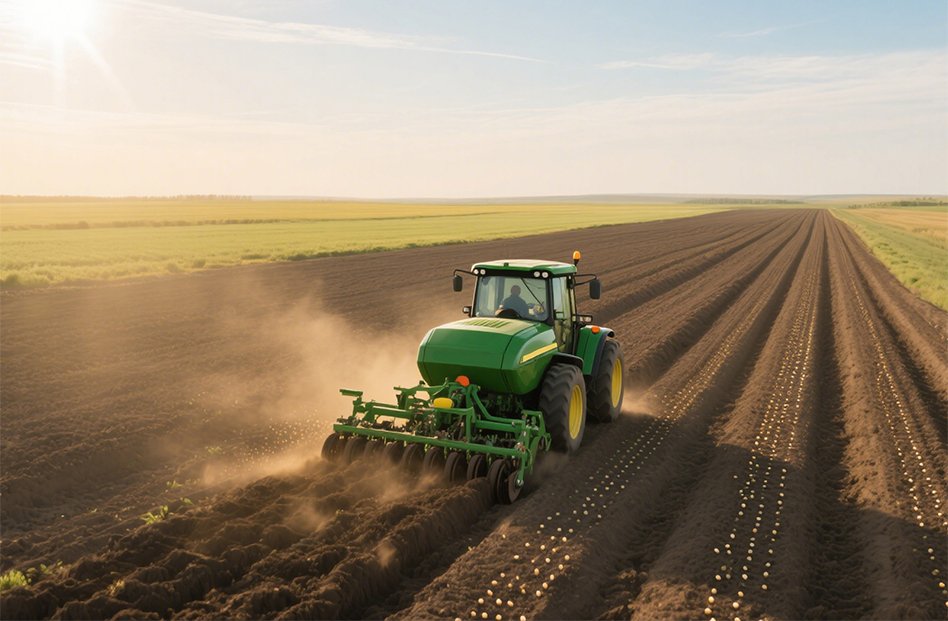
The List
- RTK GNSS base station: centimeter-level reference for everything downstream.
- Auto-steer system: guidance that reduces overlap and fatigue; see our auto-steering systems overview.
- RTK rover/tablet display: the in-cab terminal running guidance and mapping — our RTK GNSS vehicle tablet is built exactly for this seat.
- Variable-rate controller: applies seed/fertilizer by prescription map.
- Yield monitor: harvest-time ground truth.
- Soil sensing kit: EC, moisture, and pH maps before planting.
- Drone/agri-UAV: crop-health imagery between sprays.
- Weather stations: hyper-local spray and irrigation windows.
- Telematics gateway: fleet location, fuel, and engine data in one dashboard.
- Irrigation automation: valves that respond to soil moisture, not schedules.
How the Pieces Should Connect
The base station corrects the rover; the rover feeds the auto-steer; the VR controller consumes the same layers; the yield monitor closes the loop at harvest. Buying precision farming equipment as a system — rather than as isolated gadgets — is what separates farms that ROI in two seasons from shelfware collections.
Start Small but Intentionally
A practical entry: one RTK base, one in-cab tablet with GNSS, manual-steer guidance for a season. Add auto-steer the second season, variable-rate the third. Each step funds the next from documented savings in overlap, fuel, and input waste.
PDS Technology manufactures RTK-ready vehicle tablets and rugged ag terminals used across grain, cotton, and orchard operations worldwide — talk to us about matching a starter kit to your acreage.